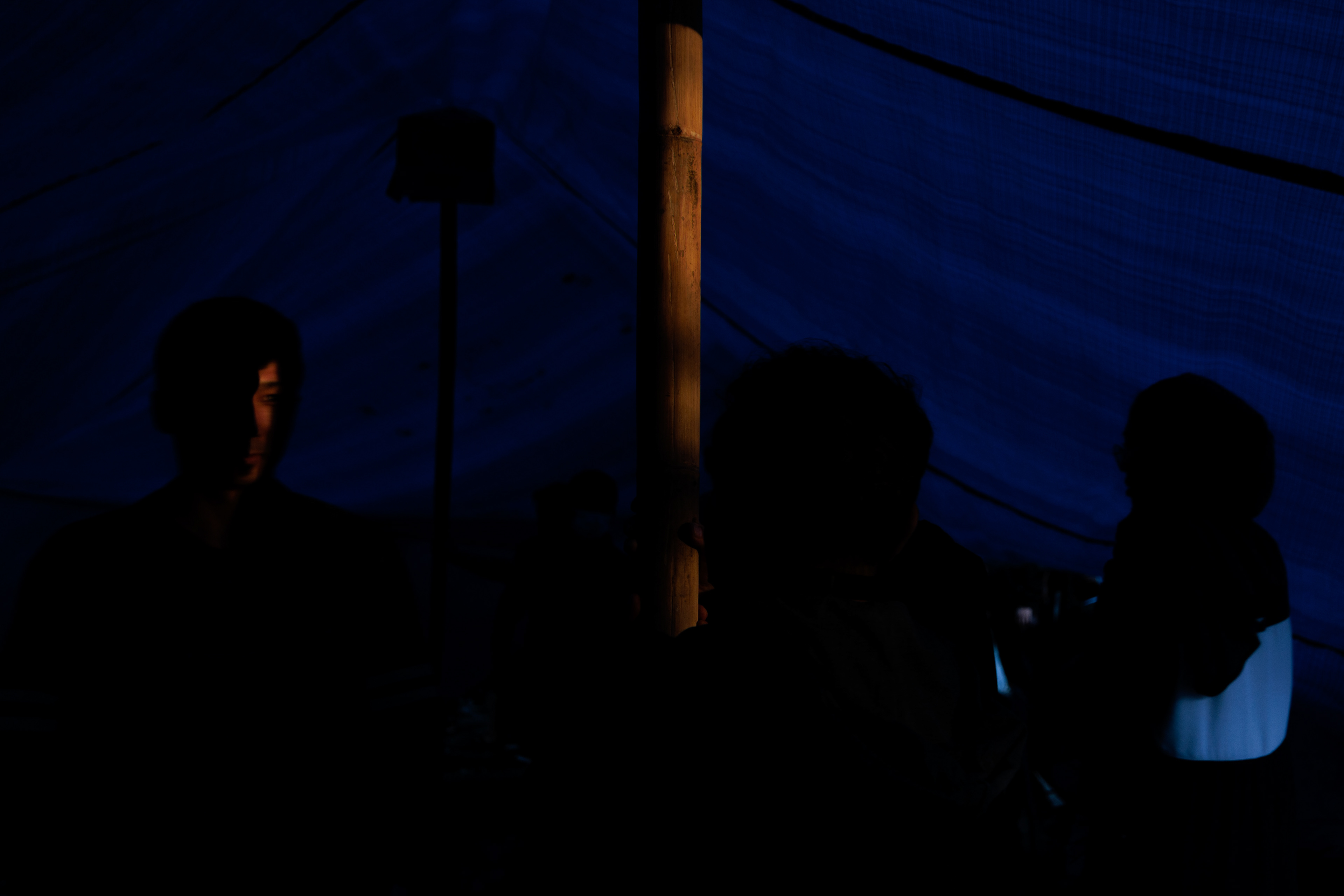
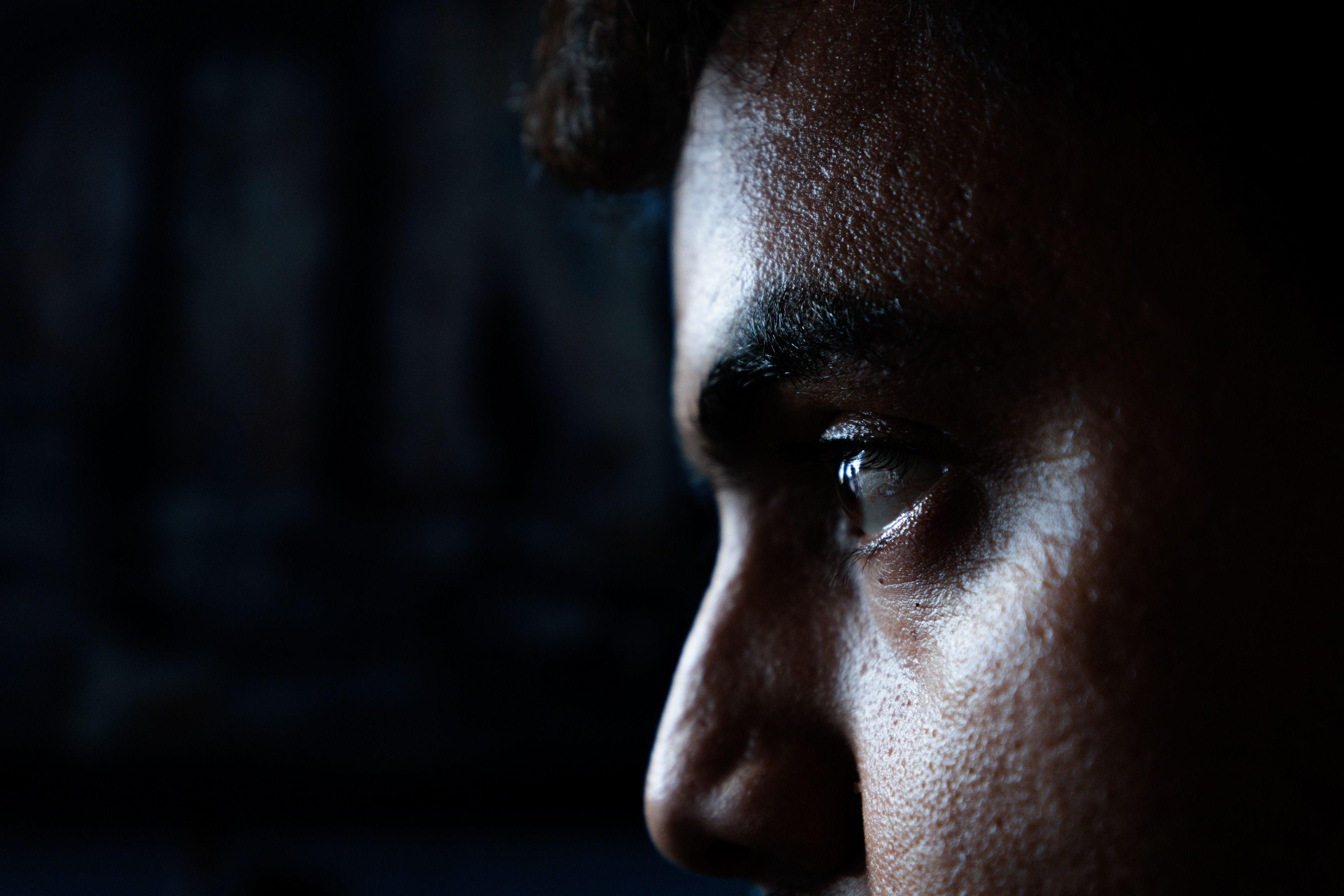
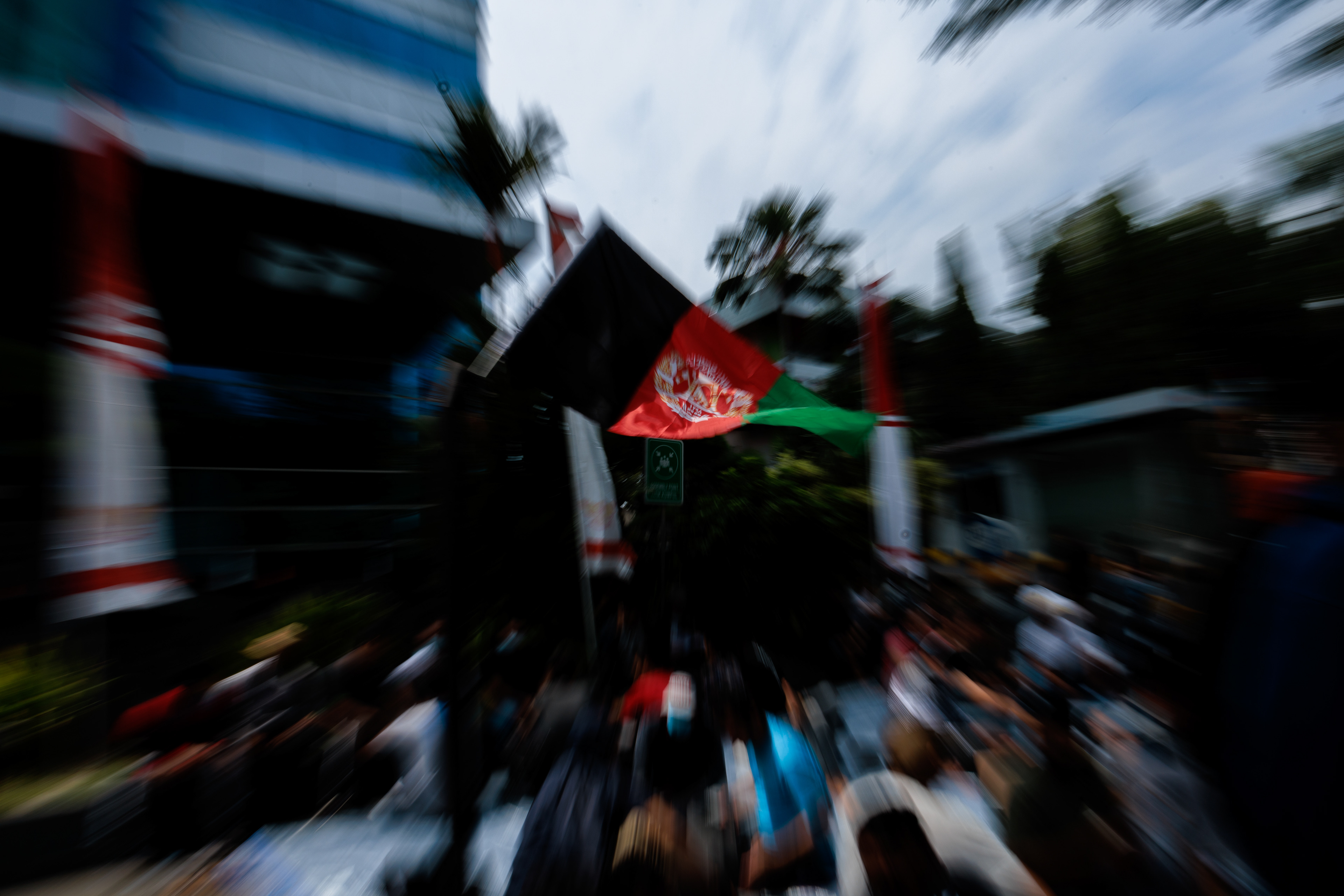
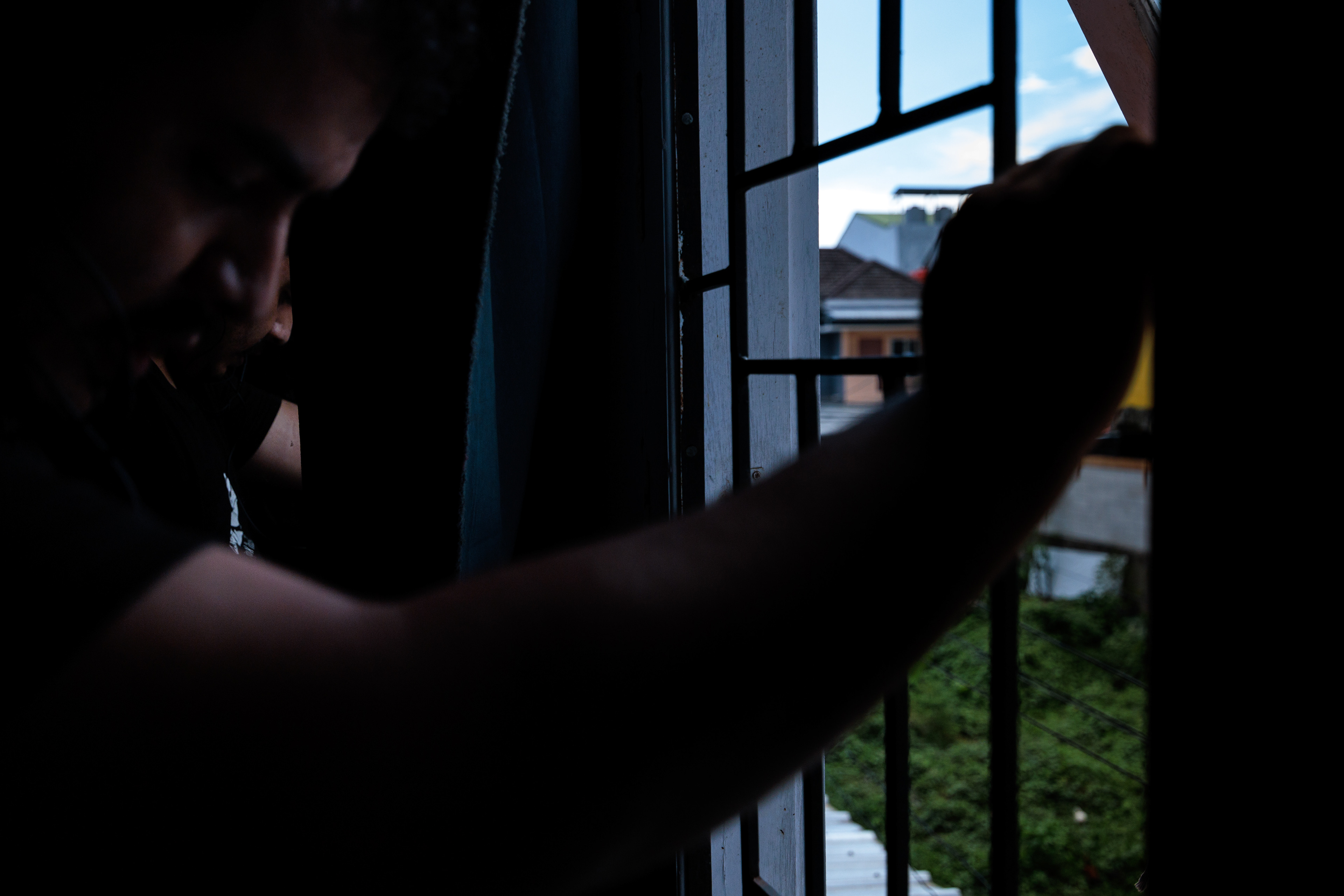
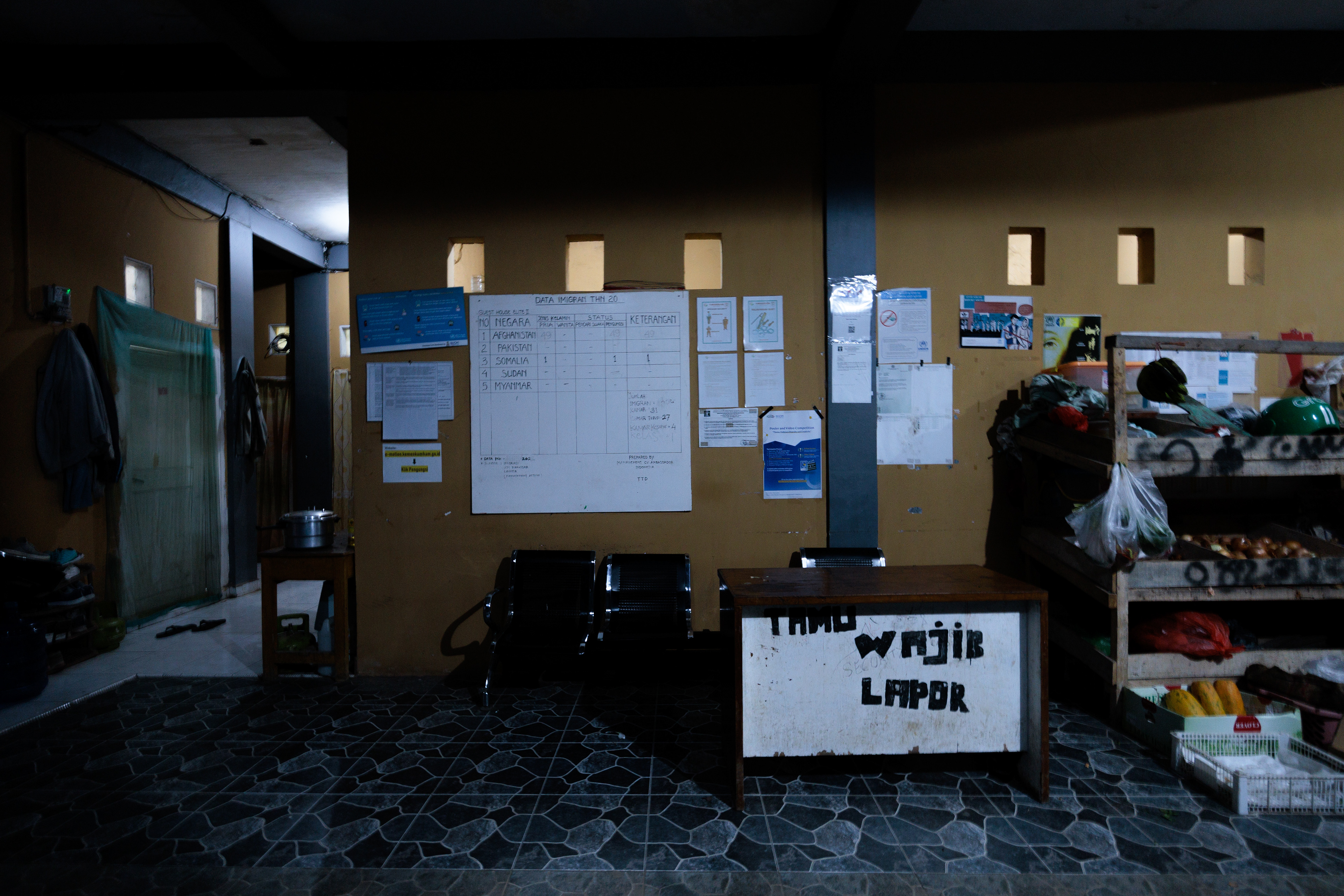
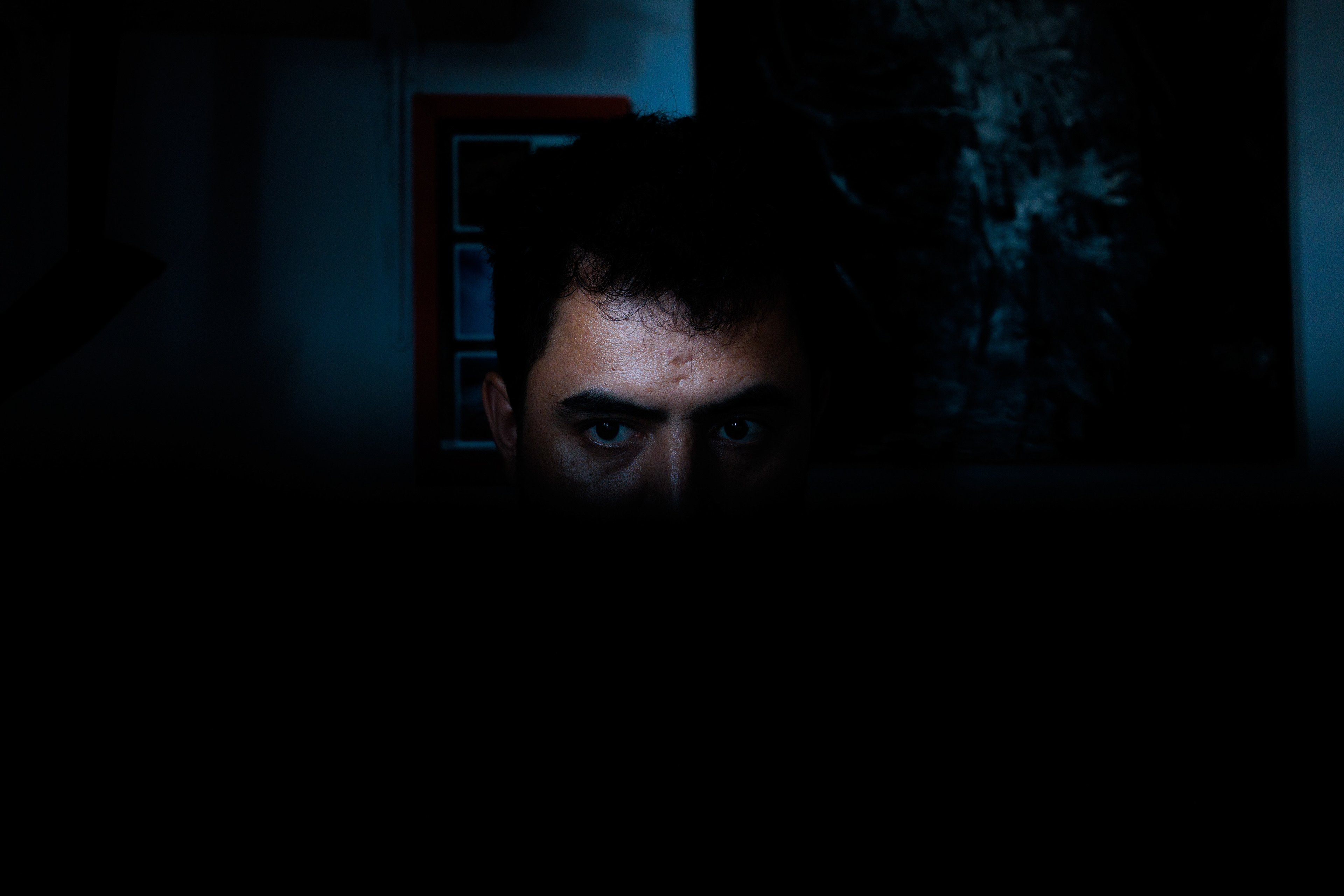
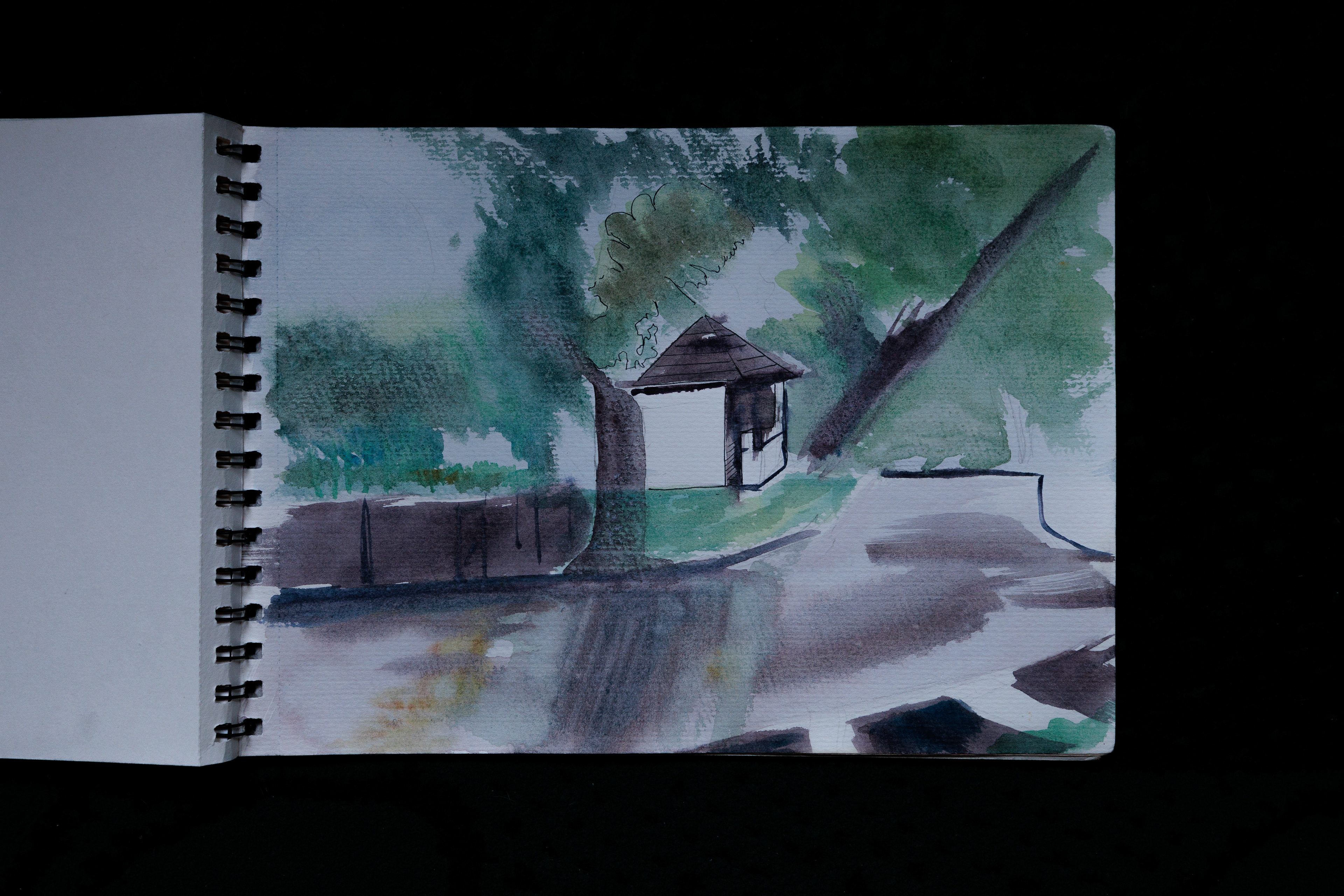
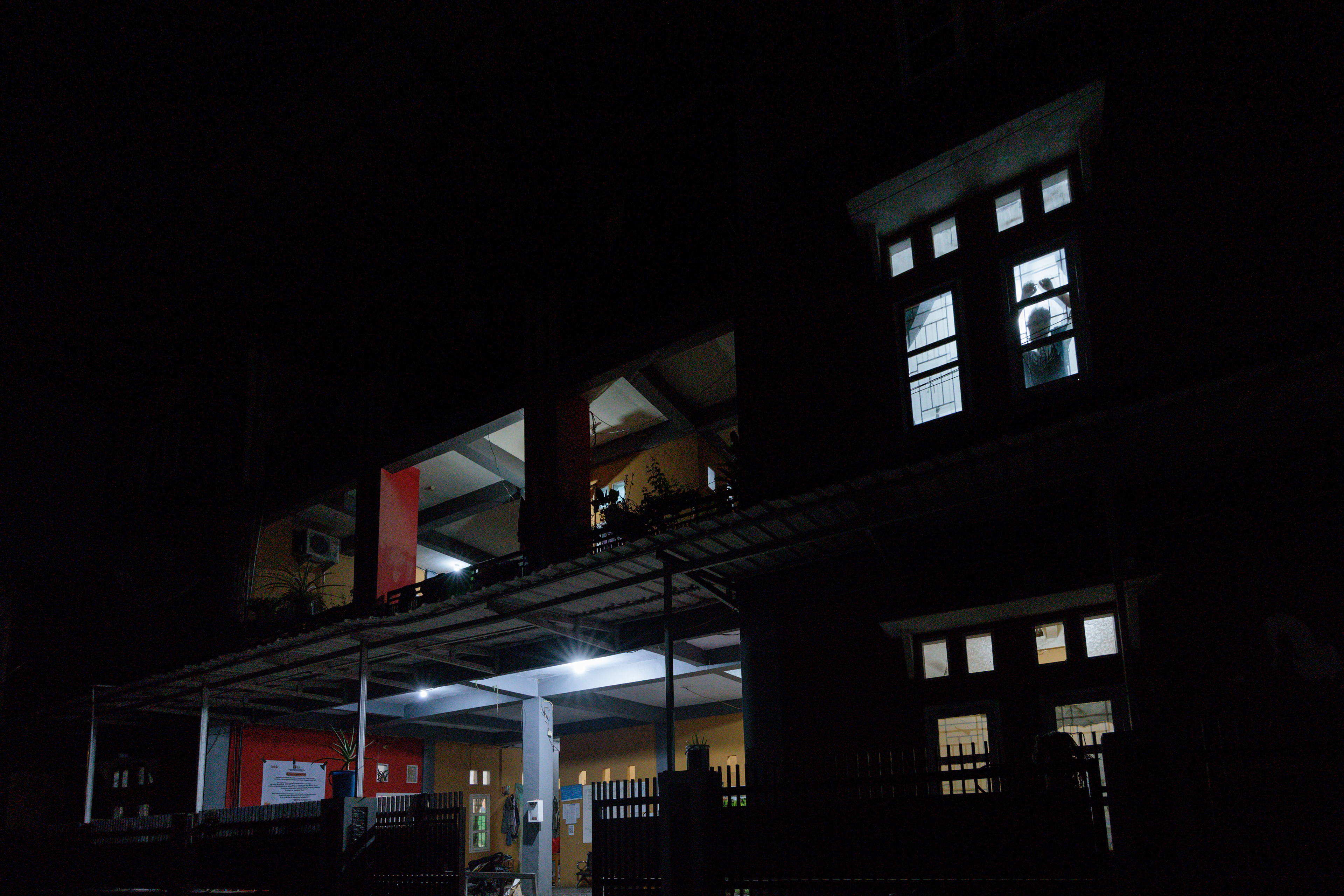
Since the 2000s, Indonesia has been hit by an influx of refugees from victims of the prolonged war in Middle Eastern countries. The refugees are forced to leave their homes for a freer life. Free from the sound of gunfire and the sound of bombs that they hear everyday. Flashbacks of his asylum-seeking journey bring Afgan, an ethnic Hazara refugee who has lived in Makassar since 2013, to remembering the struggle to find a place he would later call home. Afgan has been living here for almost 10 years. However, he is completely unable to fulfill his basic rights as a human being, such as getting an education and a decent job.
In Indonesia, the number of refugees and asylum seekers recorded is around 13,700 people (Reliefweb.int, 2022) of which 7600 are from Afghanistan (the Hazara ethnic minority. For the refugees themselves, the absence of strong regulations makes them effective as stranded or adrift in Indonesia. There is no clear mechanism to end the uncertainty of their status. To return to their country of origin (repatriation) is impossible. To get resettlement to a third country (resettlement) is very unlikely. Then to survive forever in Indonesia (reintegration) is also not a good choice considering that there is no legal basis for this.
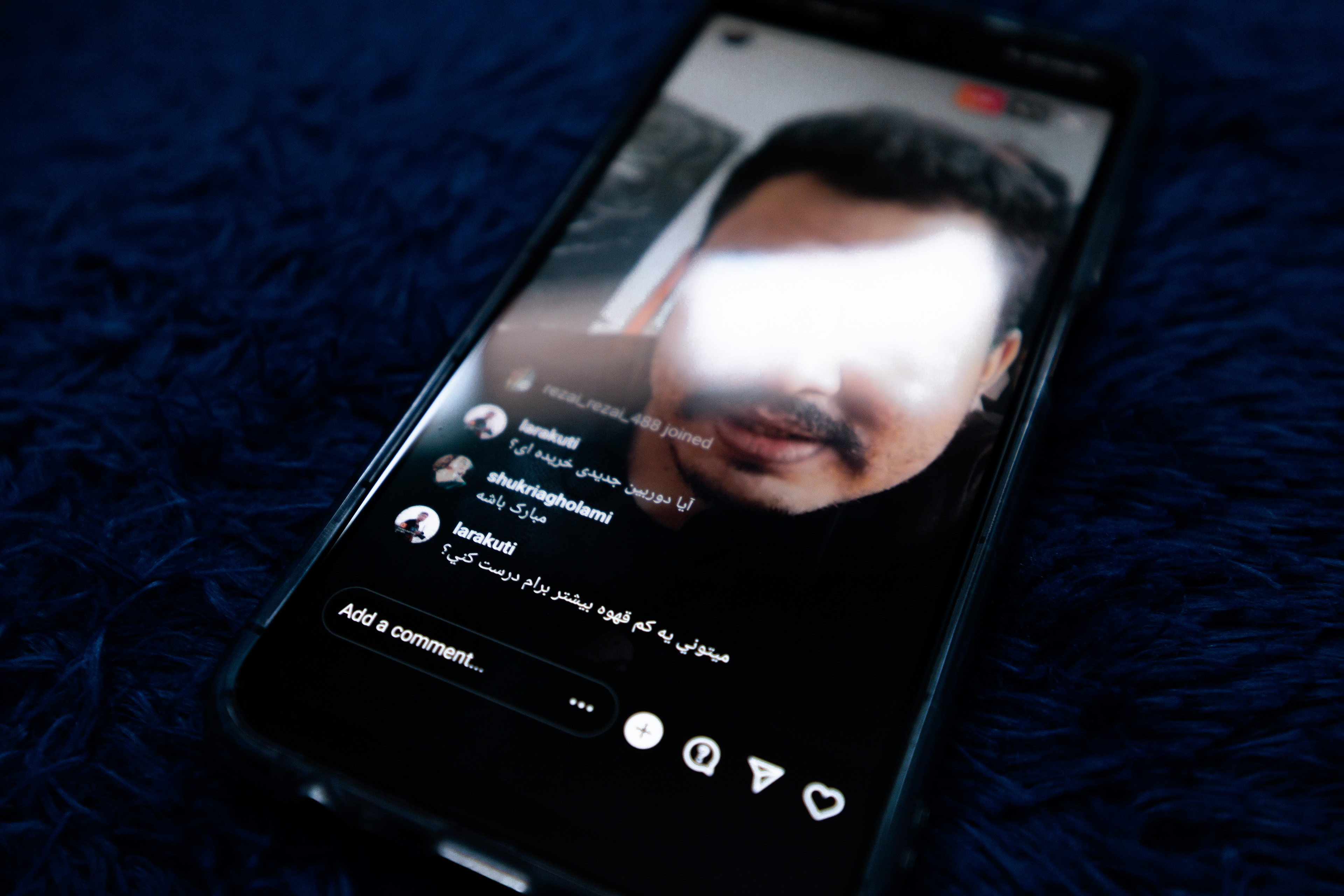
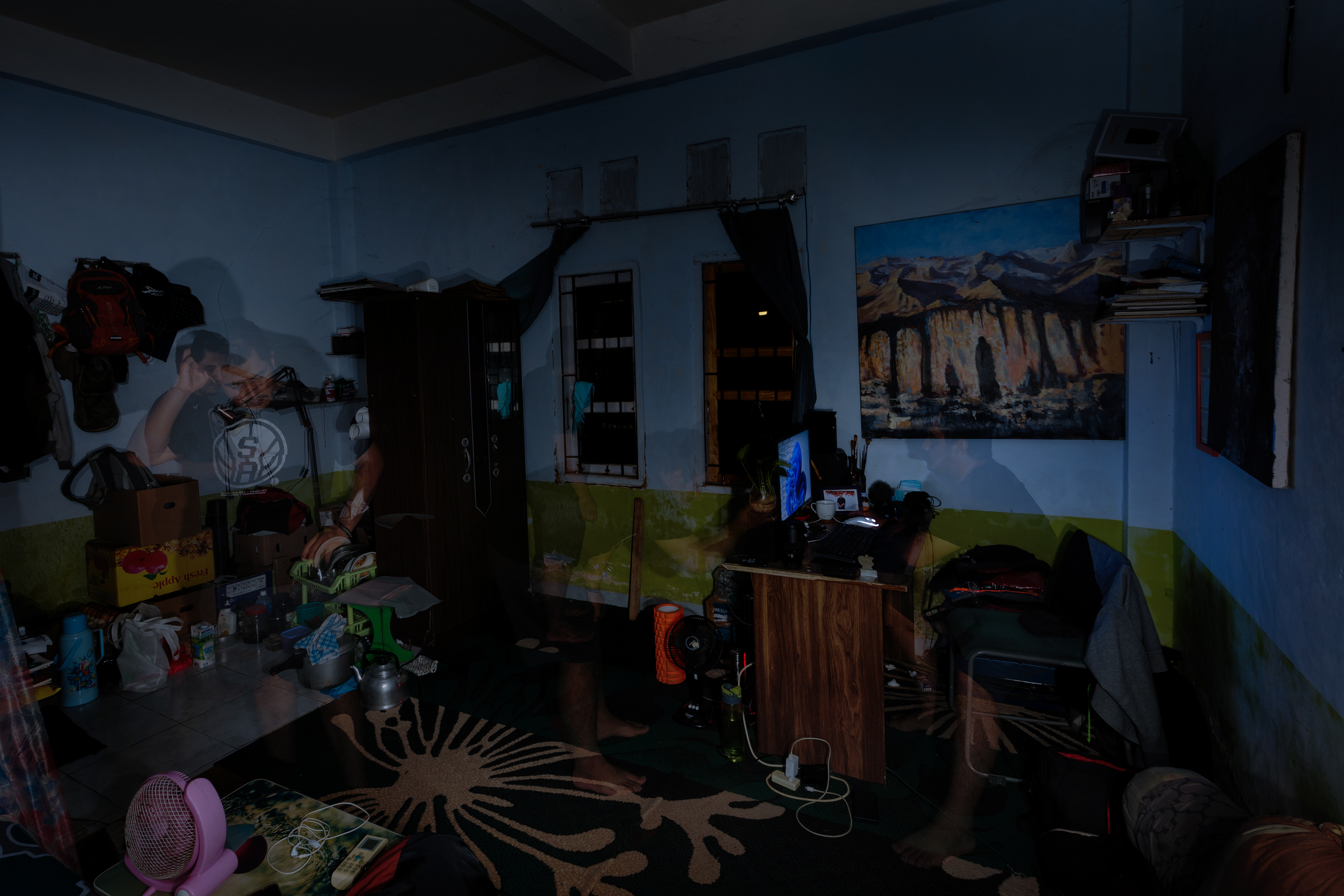
Until now, Afgan's struggle to survive in Makassar is based on the hope of getting a chance to move to a new house. Despite having to wait in such a long queue, he tries to stay sane in living life with all the shackles that exist. The only option is to survive, work, and stay connected to others. Afgan, who is now fluent in Indonesian with a Makassar accent, still chooses to live in a square wall which he calls the rutan (detention house).